
THE WHOOPER SWANS OF FINLAND
by Philippe Henry
May 6, 2024 (revised)
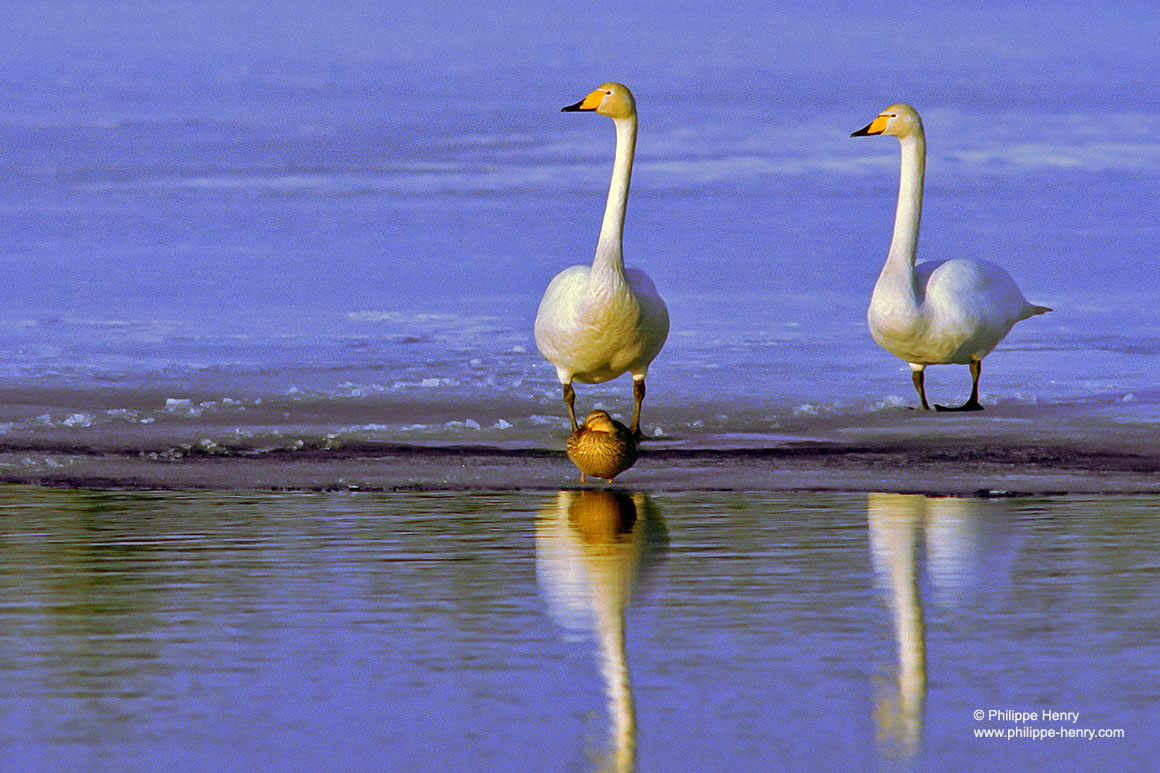
Fig. 001 - The whooper swan (Cygnus Cygnus) is Finland’s national bird and is one of the larger swan species. Adults have white feathers and a yellow patch on the beak that reaches their nostril. He is bigger than the Bewick’s swan.
The snowmobile winds through pine forest, throwing a narrow spray of white in its wake. Countryside flies by. A last slide to a stop, then silence. Hannu and I transferred to cross-country skis and push on towards the remote nesting ground of the wild swans, on the edge of the no man's land line between Finland and Russia. After skiing a couple of hours we see scuffs and triangular prints on the ice. Whooper swans have landed here and walked around, perhaps scouting for a nesting spot. After a while, we catch sight of a pair of swans. They survey us, then disappear in a slip-slap of wings.
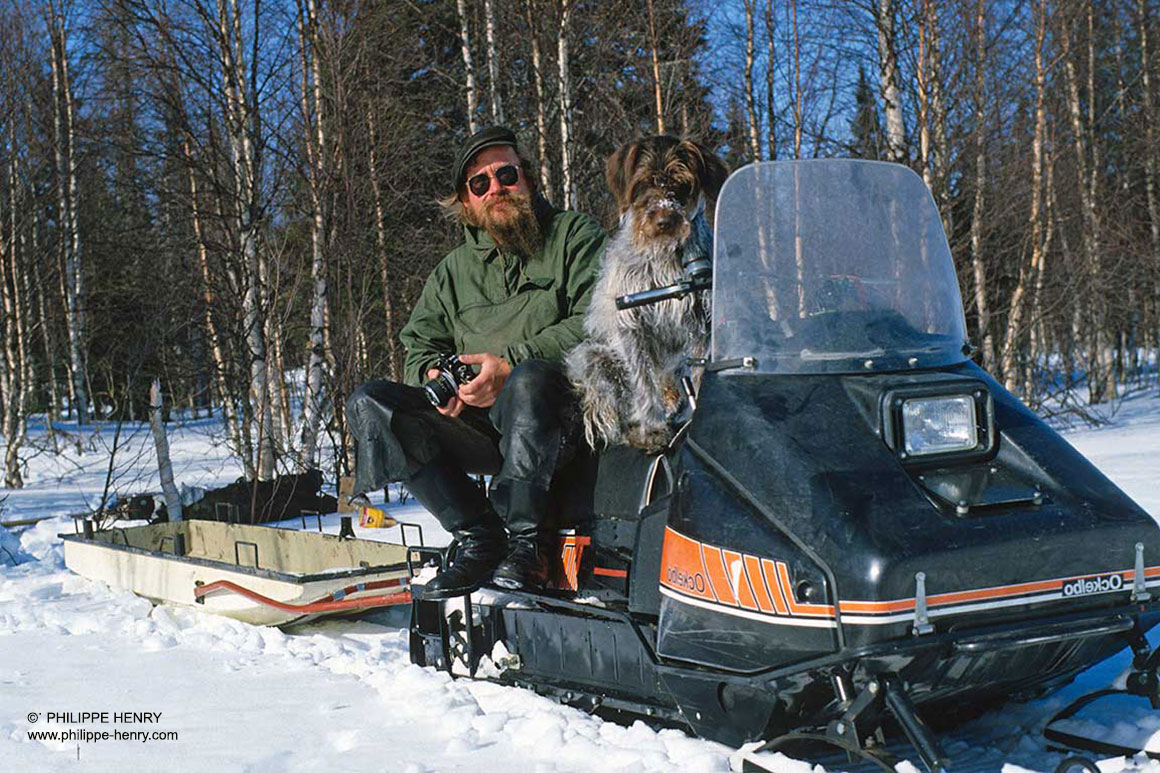
Fig. 002 - Finnish photographer Hannu Hautala was the most well known Finnish wildlife photographer internationally.
It happened on April 12, a few years ago, but I remember this encounter with the wild swans of Finland as if it were yesterday. I went to the Koillismaa in North East Finland to cover a story about these swans and I met famous nature photographer Hannu Hautala who helped me to find a nesting pair I could photograph during a few weeks. Hannu Hautala inspired countless photographers worldwide and wrote more than 40 books in the course of his life. Hautala was a friend. He passed away in 2023 at 82. 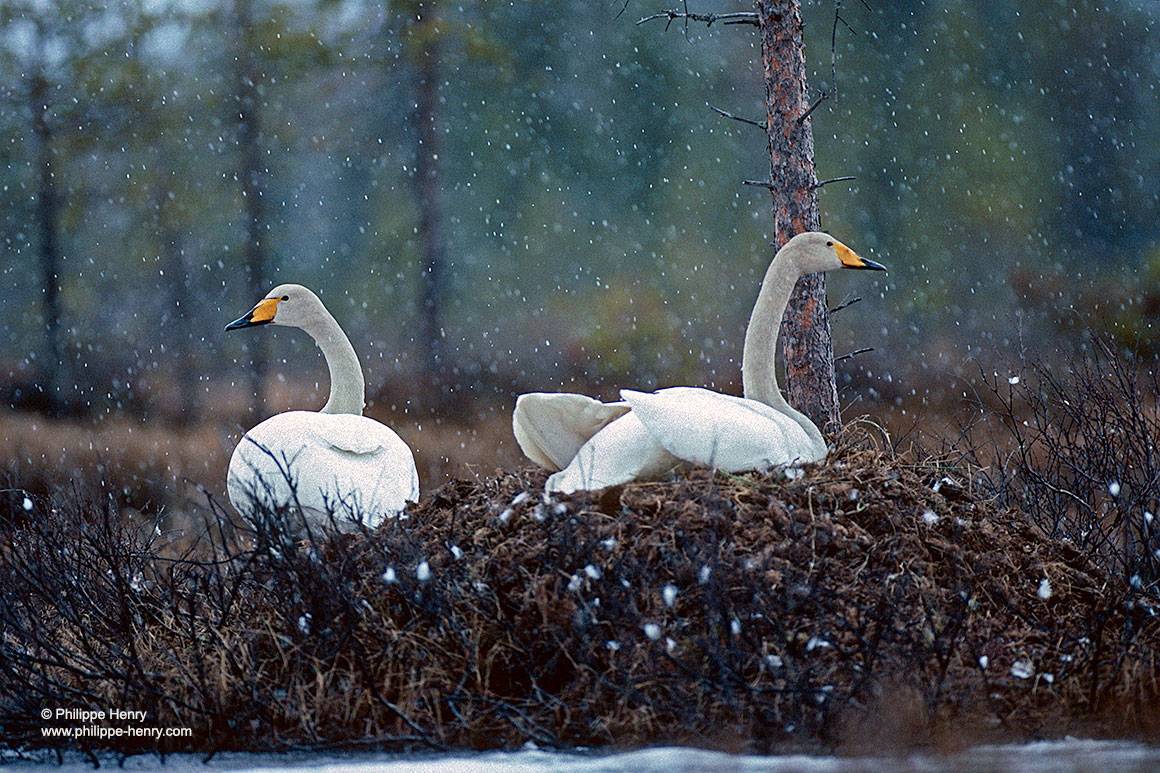
Fig. 003 - The whooper swan is a migrating species. Breeding pairs arrive first on the nesting areas to reserve their territory and chase away other pairs who would like to settle there.
Swans have become a passion of mine. I have taken photos of them for more than 10 years in France, Iceland and Finland. When you watch a nesting swan, you begin to see the entire community of animals and plants revolving around the birds. I feel they will be the ideal centerpiece for photographs of Finland’s northern wilderness.
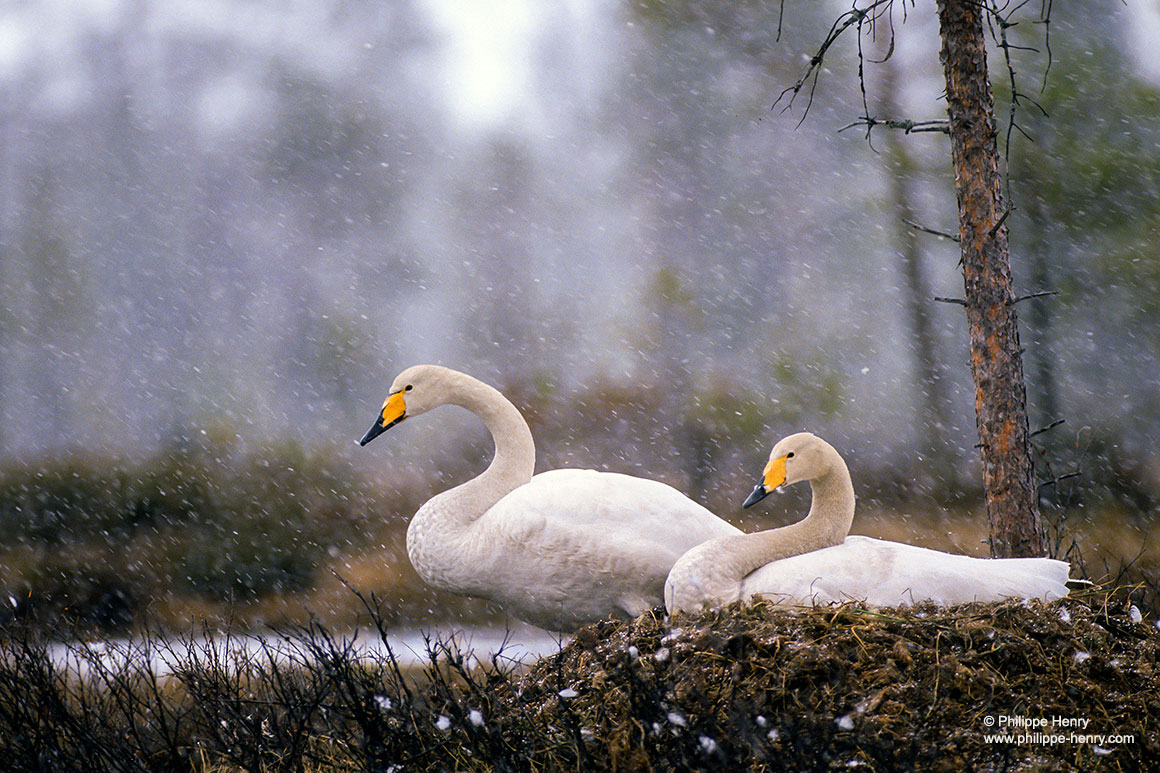
Fig. 004- Whooper Swans breed across Eurasia, from Iceland and northern Scandinavia in the west to the Pacific coast of Russia in the east.
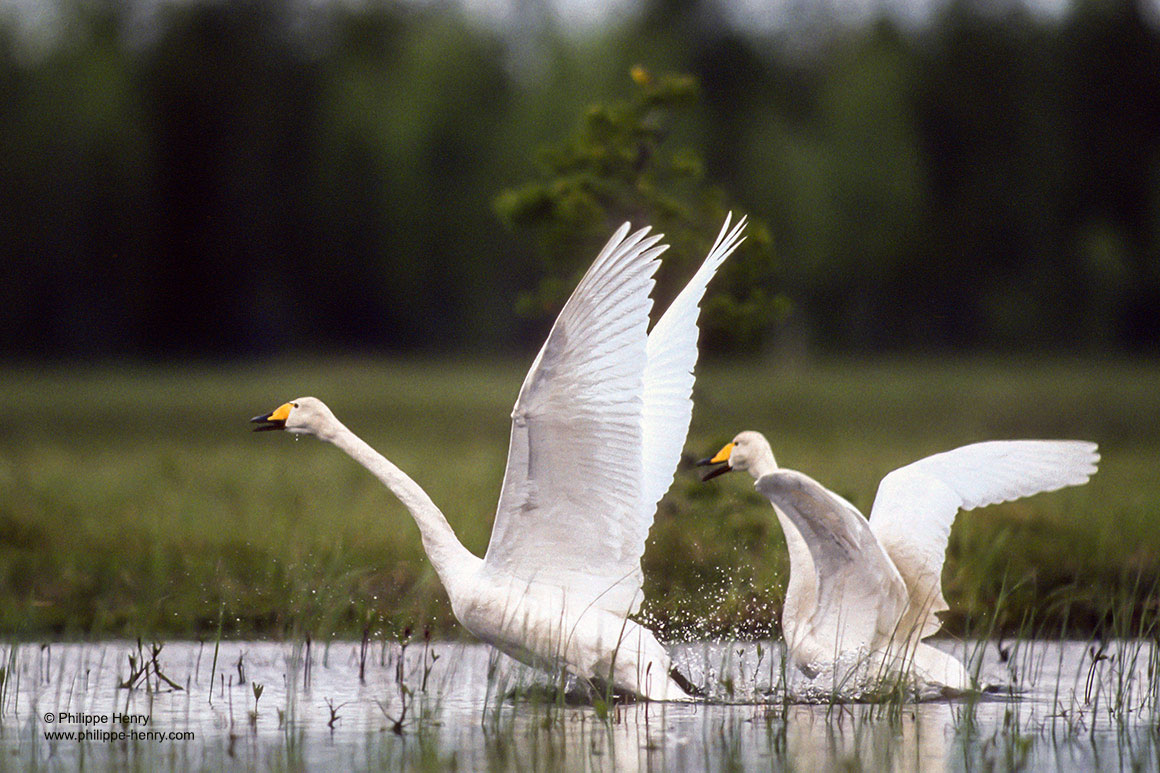
Fig. 005 Whooper Swans’ wing-beats are almost inaudible in flight unlike those of the Mute Swans. Once in flight, their trumpeting bounces off the surrounding forests and resounds for several minutes.
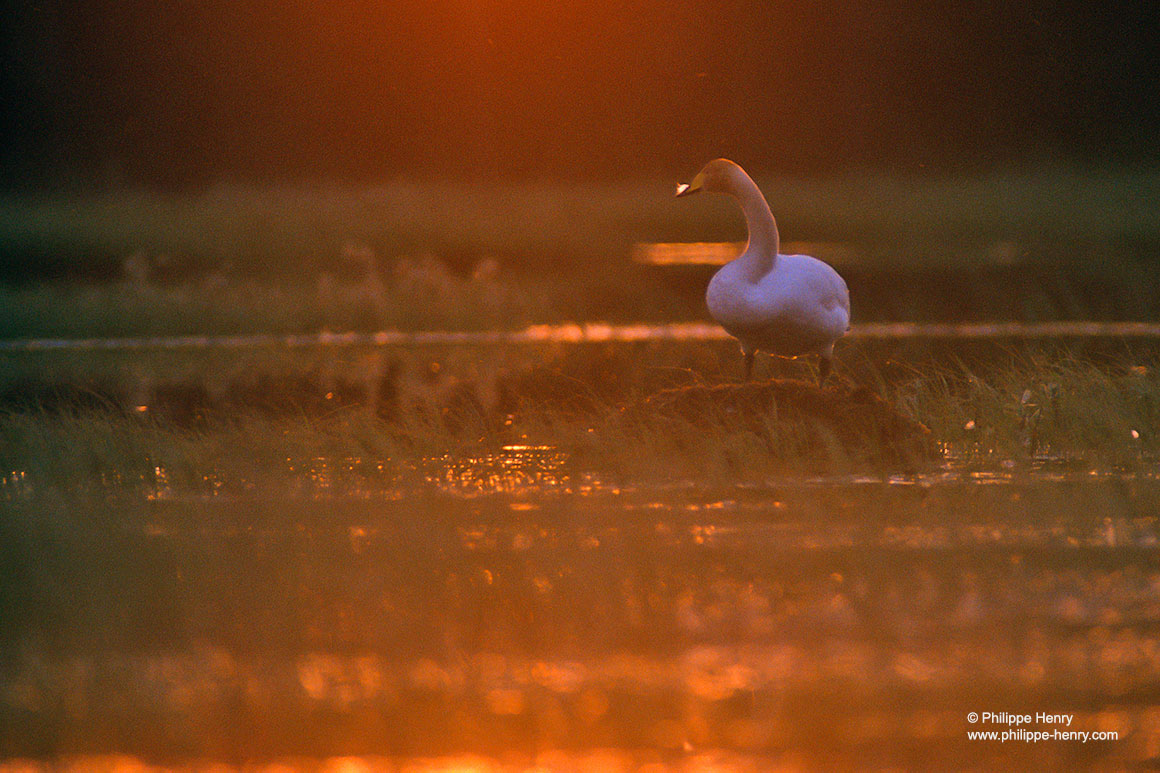
Fig. 006- The female stays on the nest almost 20 hours a day and she leaves during the warmest part, tucking mosses over the eggs. This covering may discourage a quick-flying crow or raven from dropping out of the sky to pierce an egg.
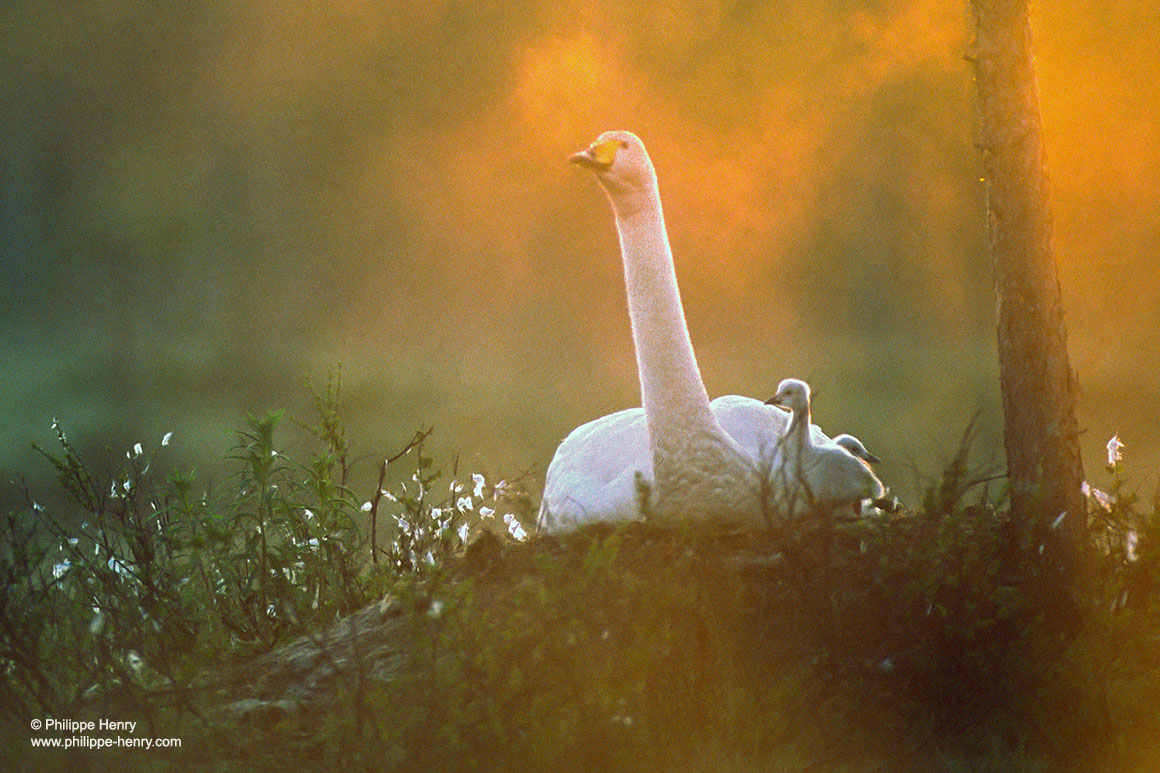
Fig. 007 - On June 12th I see the first cygnets wobbling along the edge of the nest. Another two appear during the day.
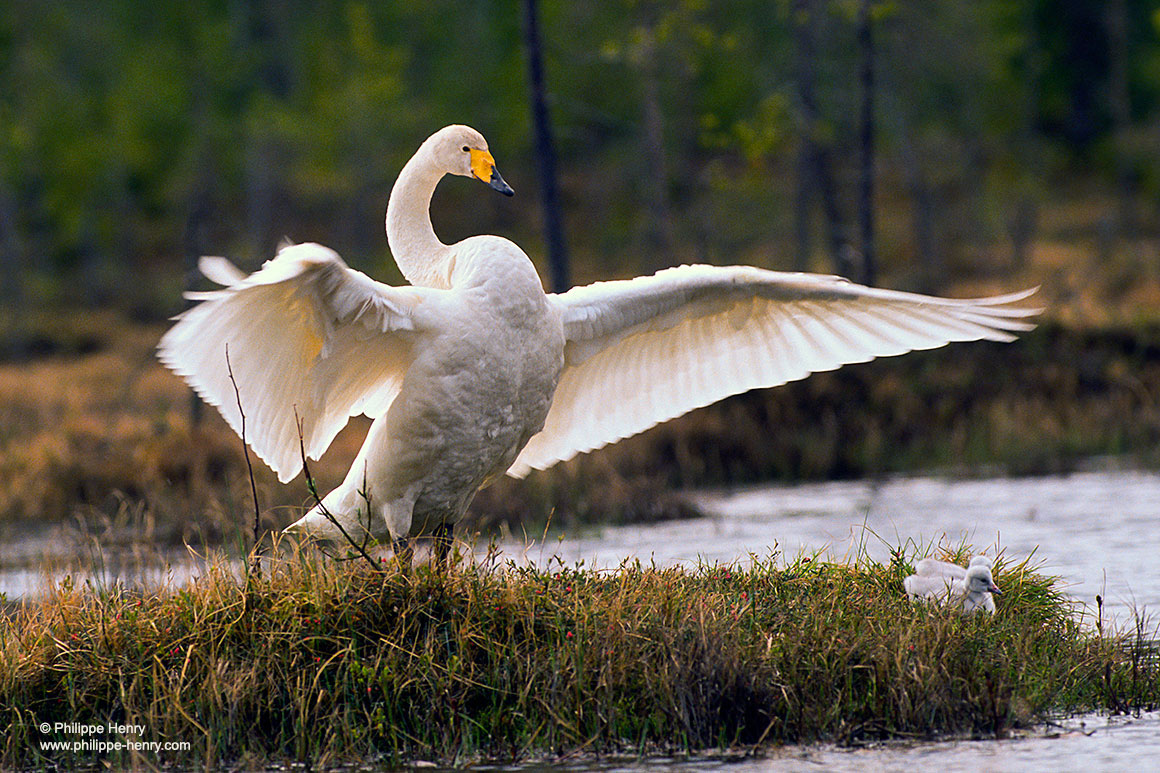
Fig.008 - I took this photo when two ravens flew over the nesting site. To protect the babies, an adult rises high on its legs and spreads its wings wide. His cries mingle with those of the other adult.
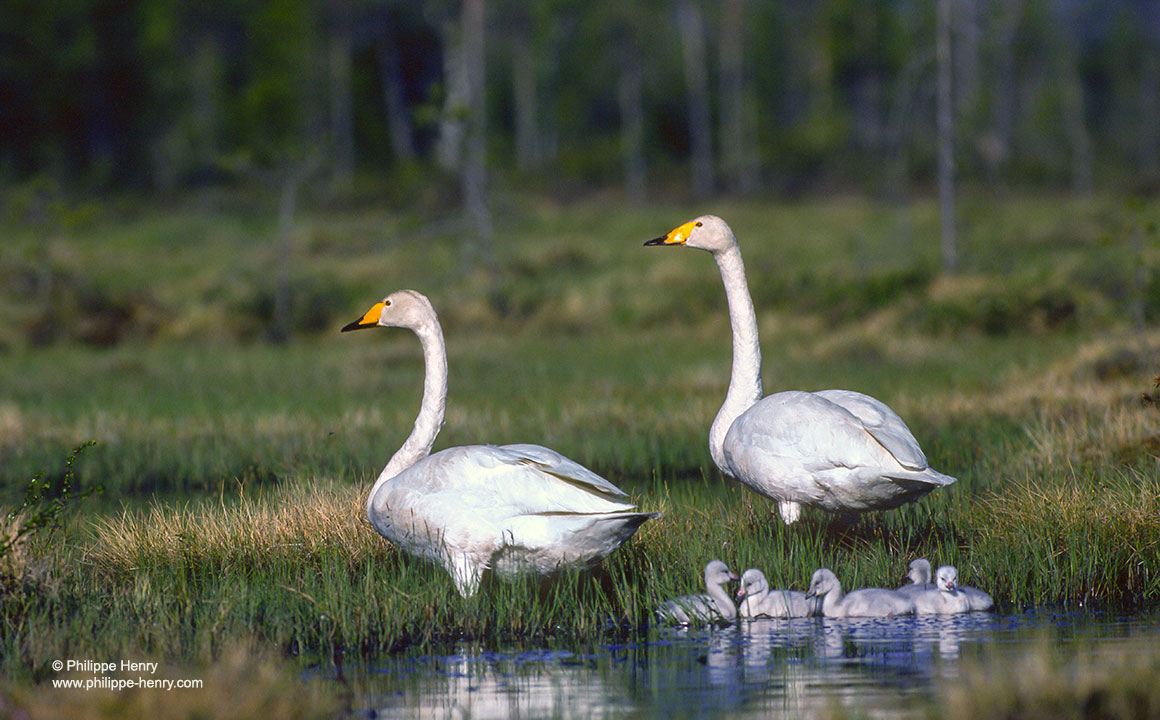
Fig. 009 - On June 18th, in a trial excursion, the parents lead all six cygnets into the moss-covered floor of the pine forest. The cygnets follow closely, jumping on any food that turns up.
The breeding and development of the whooper swans cygnets to the fledged stage takes at least 130 days. In northern Finland, cygnets have been found which could not fly before the freezing up of the lakes.
Whoopers are close relatives of North America’s trumpeter swans and have carrying, buggle-like voices. In Finland, the whoopers belong to a population that the Finns have brought back from the brink of oblivion. Poaching and development took their tool in the early twentieth century and by 1945, only nine nesting pairs remained in Finland. They nested mainly in the wilderness of Lapland and flew to the other side of the Baltic Sea for the winter. Seeing a whooper swan, let alone photographing one, had become a rarity.
In May 1950, Veterinarian Yrjö Koko and his hiker friends found a whooper swan nest in Lapland. They built an imitation reindeer from reindeer hides and used it to get within photo distance. The events are recounted in Kokko’s novel ”Laulujoutsen – Ultima Thulen lintu” (Whooper Swan – the Ultima Thule Bird, 1950). It became a best-seller. The book and its successor, “Ne tulevat takaisin” (They Return, 1954) changed Finns’ attitudes towards whooper swans.
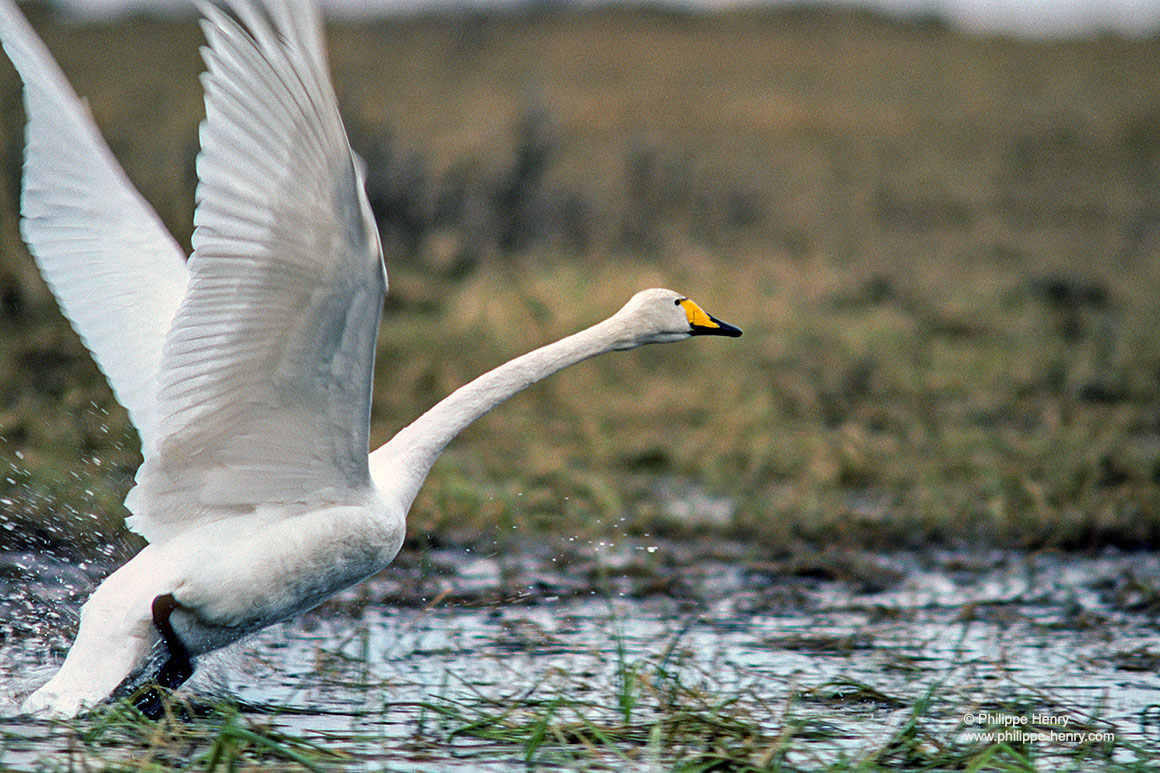
Fig. 010- In Finland, the whooper swans nest on swampy wetlands and pools with abundant emergent vegetation and surrounded by forests. They also nest on reed-fringed lakes.
People began to have a more negative view of hunting them and collecting their eggs. In 1981, the whooper swan was chosen as the national bird of Finland, which would not have been possible before Kokko’s books. By 1990, the number of nesting pairs exceeded 500. In 2022, the population of whooper swans in Finland was around seventy thousand or more, and today, the bird can be found throughout the country.
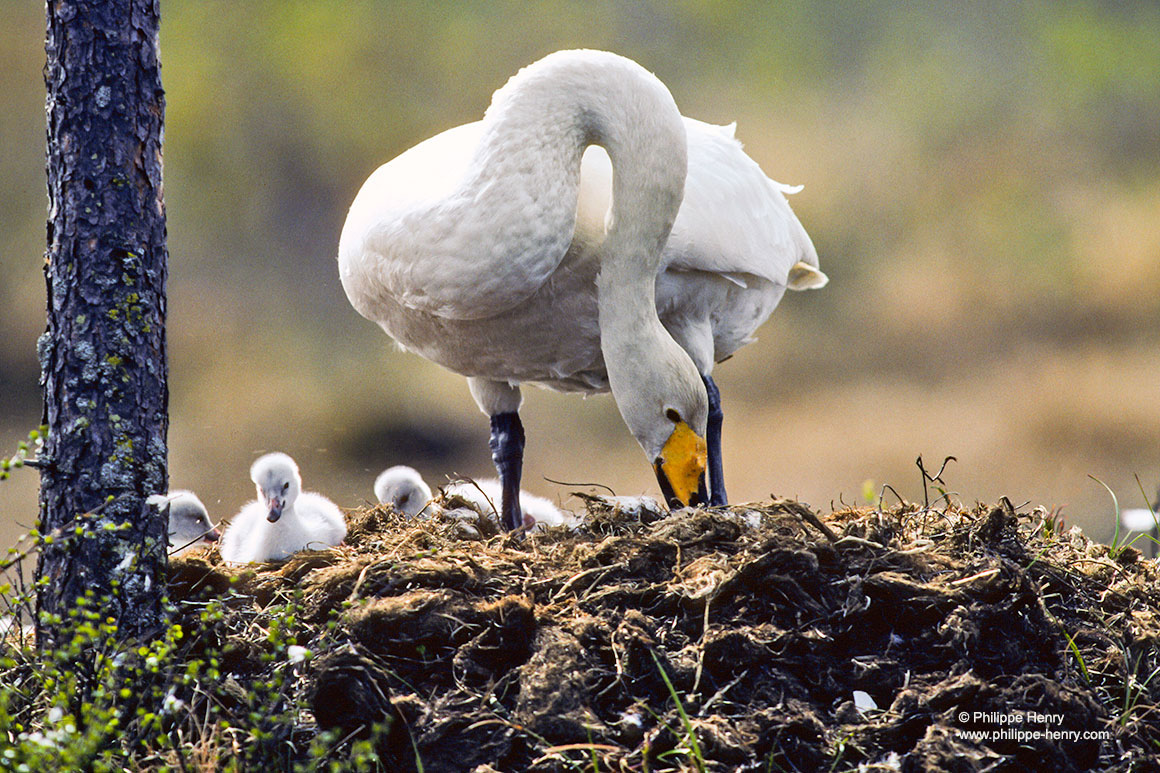
Fig. 11 After Hannu and I have discovered the bog where we saw the pair of whoopers I returned here on May 15 to see that the swans had settled there. A nest had been built and a swan was incubating the eggs. I spent many days to watch them and finally, when they started accepting me, I fell into the rhythm of the birds.
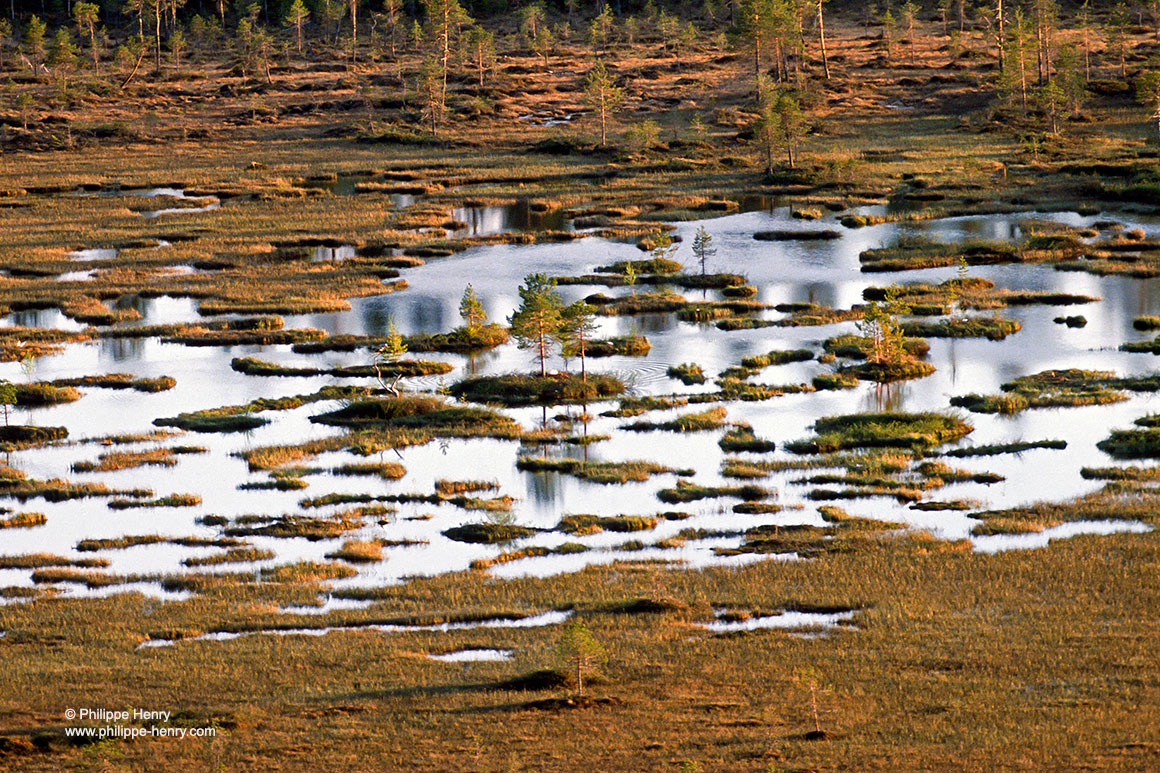
Fig 012 - It was the beginning of the “summer night” when the sun sets around midnight and rises at 1 or 2 A.M. by 3 A.M it was broad daylight. At this time of the day, very early morning, there was typically a light fog lit by beams of sunlight shooting up from below the horizon. With pastel-blue sky just above the pines, deep sky-blue overhead, vivid green sedges and bog mosses -all centered around two white swans- I was taking photos in an impressionist landscape.
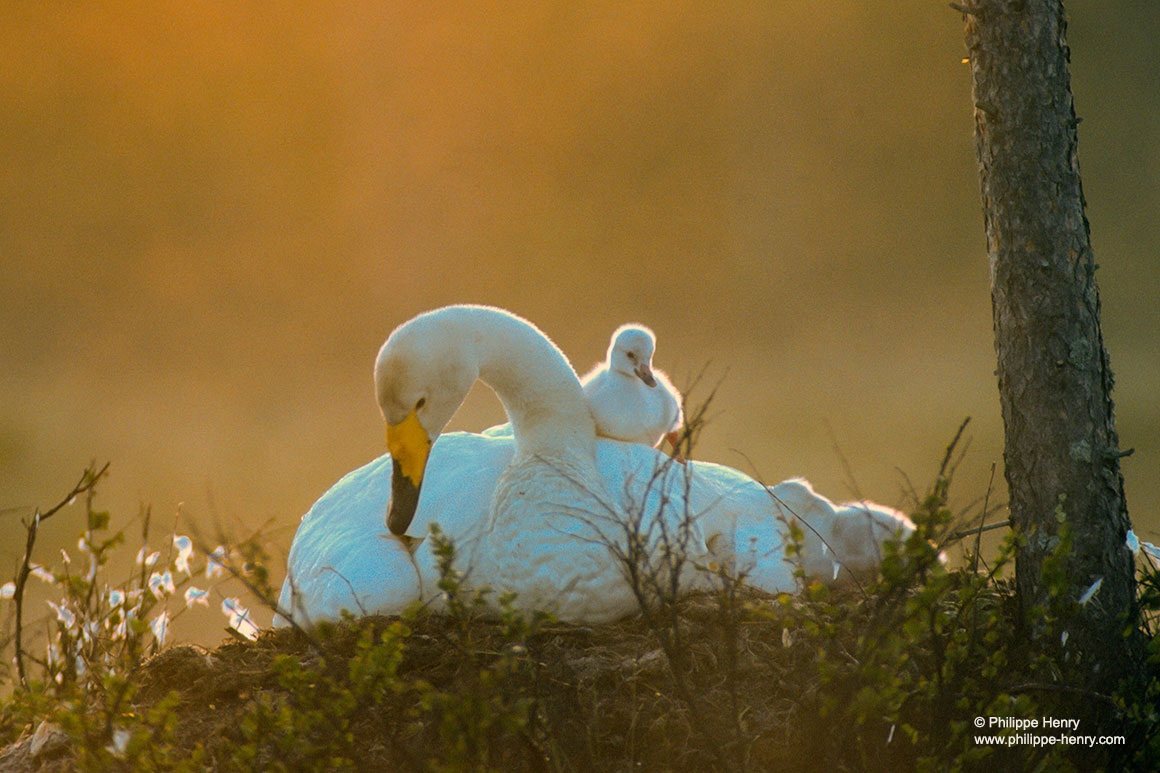
Fig. 013- I took this photo when two ravens flew over the nesting site. To protect the babies, an adult rises high on its legs and spreads its wings wide. His cries mingle with those of the other adult.
On June 16, six cygnets were taking their first swims, padding almost 10 yards from the nest site and, on June 20, the entire family moved to a small lake a mile away over mossy and branch-littered ground. I guessed they all made it safely.
Fig 014 - Other species live in the same environment as wild swans. It is not uncommon to see the common crane and the brown bear, whose population in Finland was estimated to be between 1,740 and 1,925 in 2022.
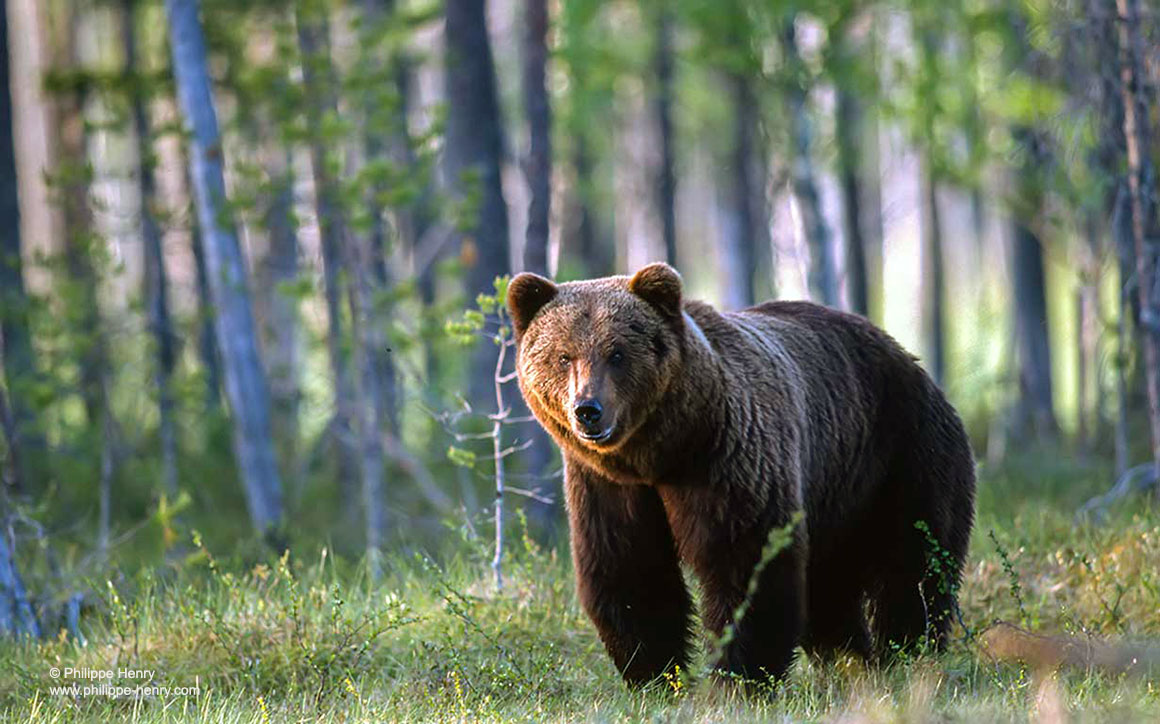
Fig. 015 - Brown bear (ursus arctos) roaming along the no man’s land between Finland and russia. The brown bear was exterminated in most of Finland at the end of the 19th century. Since 1970 there has been a continuous immigration of bears from western Russia - karelia- but Finnish authorities have issued more hunting permits in recent years in efforts to control the growth of the bear population, as the number of bears in Finland doubled between 2007 and 2020.
People began to have a more negative view of hunting whooper swans and collecting their eggs. In 1981, the whooper swan was chosen as the national bird of Finland, which would not have been possible before Kokko’s books. By 1990, the number of nesting pairs exceeded 500. In 2022, the population of whooper swans in Finland was around seventy thousand or more, and today, the bird can be found throughout the country.
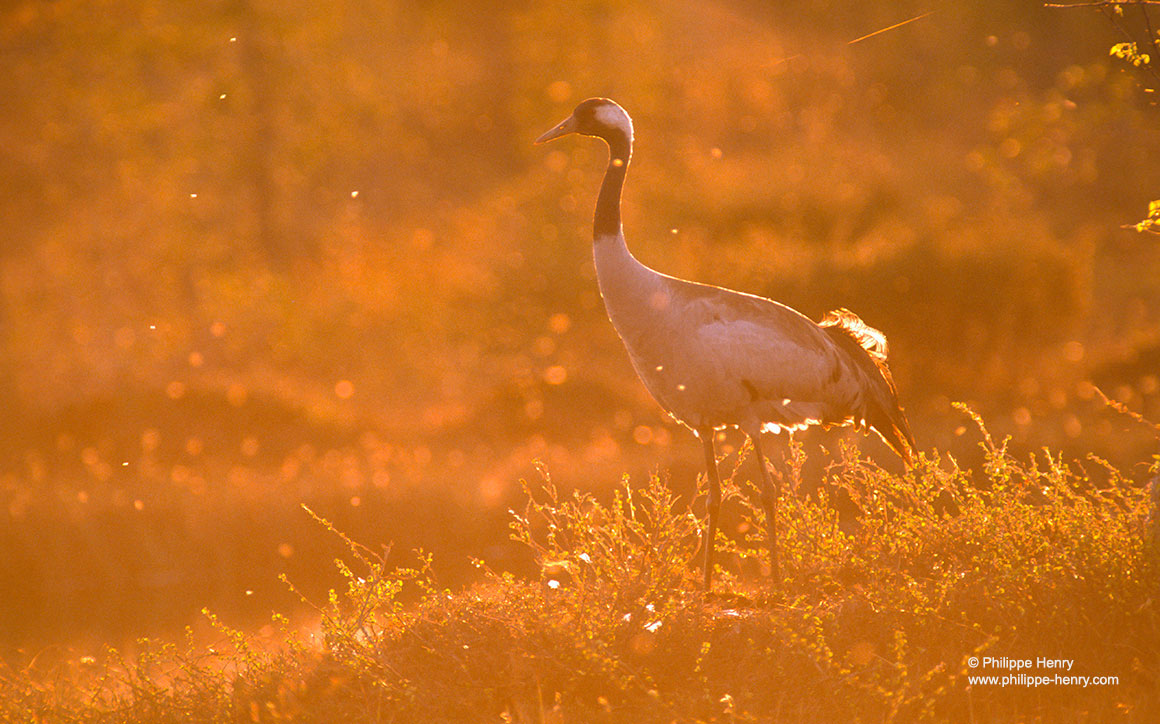
Fig. 016 - Common cranes (Grus Grus) are often seen in whooper swans habitat. They arrive at the same time as the whoopers and leave in late fall. The population has the highest breeding density in the northern parts of Europe (Norway, Sweden, Finland, Baltic countries)
Links to some studies and info About the Finnish whooper swan’s population :
Info by:
Haapanen, A., Helminen, M. & Suomalainen, H.K. 1973a. Population growth and breeding biology of the Whooper Swan, Cygnus c. cygnus. Finnish Game Res. 33:39-60.
https://wildfowl.wwt.org.uk/index.php/wildfowl/article/download/1376/pdf_22
About the Finnish brown bear’s population :
Info by the Finland Natural Resources Institut
https://yle.fi/a/74-2001882 target="_blank"
In memory of my friend Hannu Hautala, the famous nature photographer who passed away in 2023 at 82 years old. Hannu was an inspiration for many photographers internationally.
Authors Biography & Contact Information
 Bio: Philippe Henry is a photographer specialized in wildlife and conservation, a writer and a filmmaker. He is based in La Mauricie, in Quebec. You can follow his photography on his facebook page. Photo of Philippe by Veronique Amiard.
New Facebook page
https://www.facebook.com/Philippe-Henry-114762543620456
E-mail: philippe_henry@hotmail.com
Website: www.philippe-henry.com
Phone number: 1 819 532 1147